
"long-term memory"
200 article(s) found

Seven things you don't know about caffeine
Many people love to drink and have heard of the advantages and disadvantages of caffeine in coffee, but that's not necessarily all you know about caffeine. Coffee is a common drink. However, as an important ingredient in coffee, how much do you know about caffeine? Caffeine is good for both short-term and long-term memory. Early studies have found that caffeine contributes to short-term memory
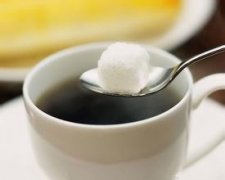
New use of caffeine: improving memory
Some people like to make a cup of tea, while others used to make a pot of coffee in the morning, while others like to drink carbonated drinks to refresh themselves when they wake up. No matter what kind of habit, drinking caffeinated drinks is the first refreshing point for millions of people in the morning.

New study finds caffeine improves memory
Some people like to make a cup of tea, while others used to make a pot of coffee in the morning, while others like to drink carbonated drinks to refresh themselves when they wake up. No matter what kind of habit, drinking caffeinated drinks is the first refreshing point for millions of people in the morning.

Study finds new use of caffeine: improving memory
Some people like to make a cup of tea, while others used to make a pot of coffee in the morning, while others like to drink carbonated drinks to refresh themselves when they wake up. No matter what kind of habit, drinking caffeinated drinks is the first refreshing point for millions of people in the morning.

New study finds new uses of caffeine to improve memory
Some people like to make a cup of tea, while others used to make a pot of coffee in the morning, while others like to drink carbonated drinks to refresh themselves when they wake up. No matter what kind of habit, drinking caffeinated drinks is the first refreshing point for millions of people in the morning.

New study finds new uses for caffeine: improving memory
Some people like to make a cup of tea, while others used to make a pot of coffee in the morning, while others like to drink carbonated drinks to refresh themselves when they wake up. No matter what kind of habit, drinking caffeinated drinks is the first refreshing point for millions of people in the morning.

Drinking coffee regularly can improve memory.
According to reports, a study by Johns Hopkins University in the United States found that caffeine can improve people's memory.

Drinking coffee regularly can improve memory, research has found
According to reports, American John? Research from Johns Hopkins University found that caffeine can improve people's memory. The scientists selected 100 volunteers who consumed less than 500 milligrams of caffeine a week (a cup of regular coffee contains about 330 milligrams of caffeine) and gave them five minutes to look at pictures of a group of daily items. Then they were divided into two groups. One group drank a cup of coffee containing 200 milligrams.
Want to improve your memory? Have a different cup of coffee.
People who drink too much alcohol, drinking coffee or tea, can help reduce the damage caused by alcohol to the liver, as well as people with high levels of iron in their blood, according to a US study.
Coffee healthy drinking coffee can increase memory
People who drink too much alcohol, drinking coffee or tea, can help reduce the damage caused by alcohol to the liver, as well as people with high levels of iron in their blood, according to a US study. In addition, Austrian research shows that drinking coffee does increase activity in the area of the brain responsible for short-term memory, which is refreshing. This is from the U.S. National glycosuria.

Improve your memory and have a different cup of coffee
People who drink too much alcohol, drinking coffee or tea, can help reduce the damage caused by alcohol to the liver, as well as people with high levels of iron in their blood, according to a US study. In addition, Austrian research shows that drinking coffee does increase activity in the area of the brain responsible for short-term memory, which is refreshing. This is from the U.S. National glycosuria.

Want to improve your memory? Have a different cup of coffee.
People who drink too much alcohol, drinking coffee or tea, can help reduce the damage caused by alcohol to the liver, as well as people with high levels of iron in their blood, according to a US study. In addition, Austrian research shows that drinking coffee does increase activity in the area of the brain responsible for short-term memory, which is refreshing. This is from the U.S. National glycosuria.

Seven functions of caffeine are good for human health.
Coffee is a common drink. However, as an important ingredient in coffee, how much do you know about caffeine? The American magazine Women's Health recently published an article about 7 things you don't know about caffeine. 1. Caffeine is refreshing and has an immediate effect. Caffeine can easily cross the blood-brain barrier and quickly stimulate the central nervous system. You will feel refreshed immediately after consuming caffeine, 30: 60.

Thirty milliliters of Italian concentrated caffeine-how many milliliters of Italian concentrate
Thirty milliliters of Italian concentrated caffeine-how many milliliters of concentrated Italian caffeine will not cause dehydration. According to the U.S. Food and Drug Administration, 98% of caffeine is consumed through beverages, so caffeine is replenished at the same time. So although caffeine is a diuretic, it doesn't really cause dehydration. However, you should drink coffee in moderation. Drinking water is.

The role of instant coffee in carcinogenic coffee
According to the Institute of Nutrition and Food Safety of the Chinese Center for Disease Control and Prevention, instant coffee contains acrylamide, which is a possible carcinogen. Long-term low-dose exposure to acrylamide can lead to symptoms such as drowsiness, mood and memory changes, hallucinations and tremors, accompanied by peripheral neuropathy (glove-like sensation, sweating and muscle weakness). Although various brands of instant coffee

Please drink coffee with a poor memory. Caffeine helps to remember the new information you have just learned.
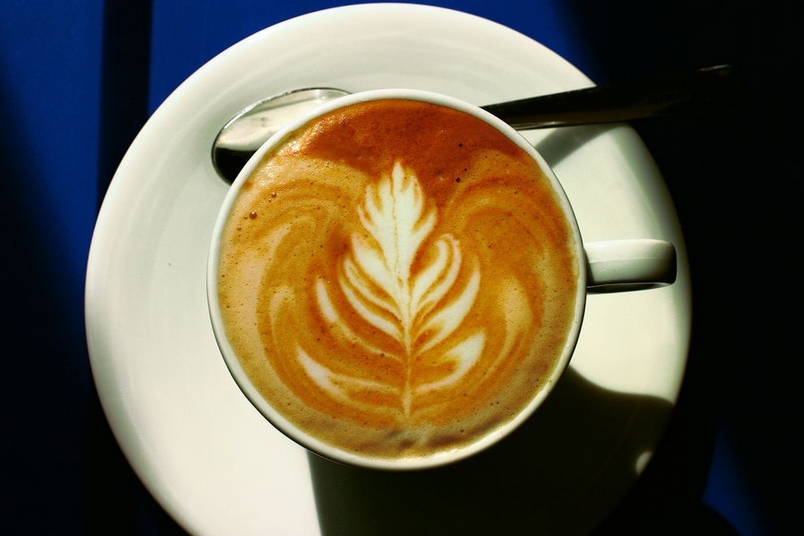
For professional baristas, please pay attention to the caffeine in a cappuccino (pictured) in the coffee shop (official Wechat account cafe_style) that can help improve memory. PHOTOGRAPH BY BOB SACHA, NATIONAL GEOGRAPHIC 80% of Americans drink coffee or tea in the morning to wake up, and the fact that caffeine works quickly is no longer news for them. Of course
New research: caffeine helps improve memory! Do you always forget things? Have a cup of coffee!
Professional coffee knowledge exchange more information about coffee beans Please follow the Coffee Workshop (official Wechat account cafe_style) Research shows that caffeine helps to remember new information that has just been learned. The caffeine contained in a cappuccino (pictured) can help improve memory. Cathy Newman, National geographic 80% of Americans drink coffee in the morning

Coffee tasting | how important is smell to coffee tasting?
When tasting boutique coffee, we should understand: the training or memory of taste can improve our discrimination ability. Drinking coffee is the result of vision, smell and taste. Train your senses, a lot of people tell you, just drink more. The truth is, drink, and keep remembering, it takes a process of accumulation. The so-called accumulation process is a painful training process.

Seven secrets of caffeine you don't know
According to the US Food and Drug Administration (FDA), 80 per cent of adults in the United States consume caffeine every day, and the average intake is about 200mg per day (equivalent to about two 5-ounce coffee drinks). With this data in mind, it makes sense when we look at the following survey results: of the more than 7000 people surveyed, most say they are more willing